How Does The World’s Tallest Robot Manage Industrial Shelves?
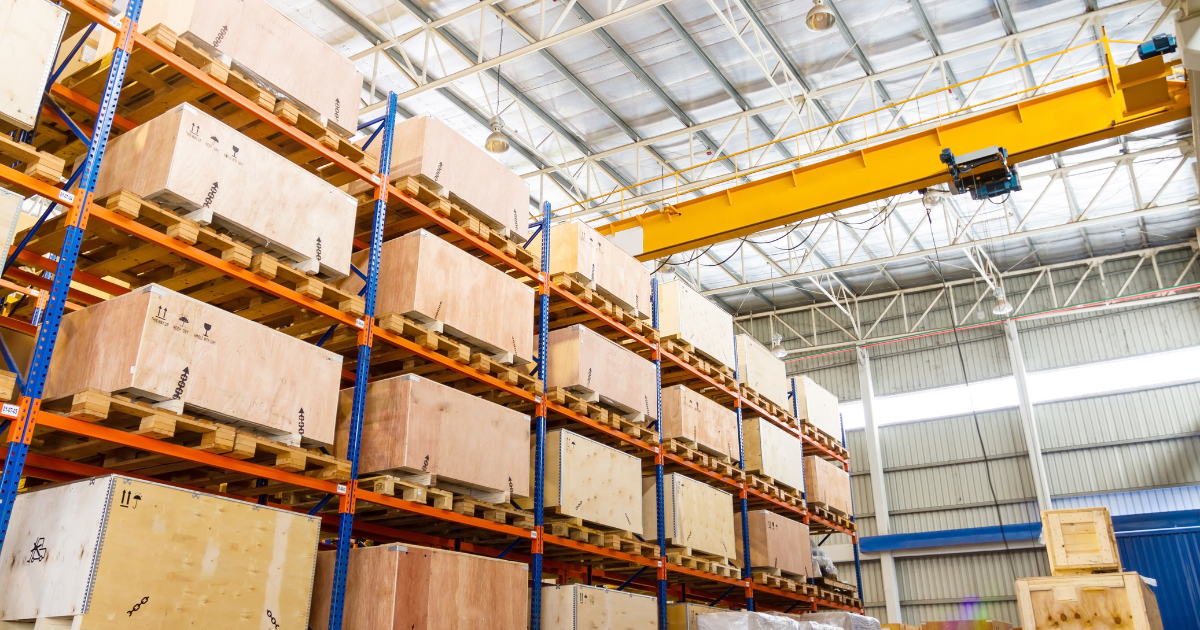
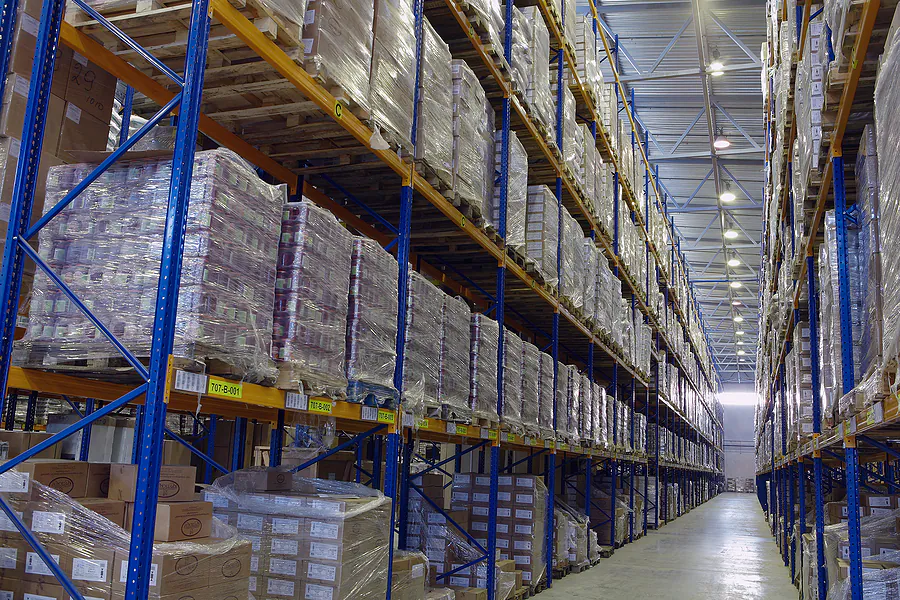
Since the rise of the narrow-aisle lift truck in the 1950s and the increasing price of land, warehouses and the industrial storage shelves used within them have gotten larger, taller and more sophisticated in their development.
Because of this, a newer issue has emerged when it comes to inventory management, a vital but complex process that ensures that businesses have an accurate view at all times of the materials and products they have available so they know what to order and when.
In an age of just-in-time logistics, where fulfilment takes place extremely quickly, it can be a time-consuming auditing process that often requires a degree of assumption and guesswork to avoid disruption to the business.
One rather novel solution to this is the use of a record-breaking automaton.
The Robot With No Name
In increasingly automated warehouses, where racking systems and various tasks are completed using machines rather than forklift operatives or other members of staff, it is remarkable that inventory management has only recently started to be undertaken by automated machines.
This allows for every pallet to be tracked, how much product is placed in each location, environmental conditions and the overall condition of each warehouse.
The robot tower can scan up to 100,000 pallets every 24 hours, a rate of pace that can be essential for many high-speed fulfilment centres, which previously had to operate with a degree of assumptions and guesswork in order to reach that level of inventory management.
How Can Inventory Management Be Efficiently Automated?
The key difference between efficient and inefficient warehouses is carefully controlled conditions, and the way to maintain those conditions begins with the design process of the warehouse itself.
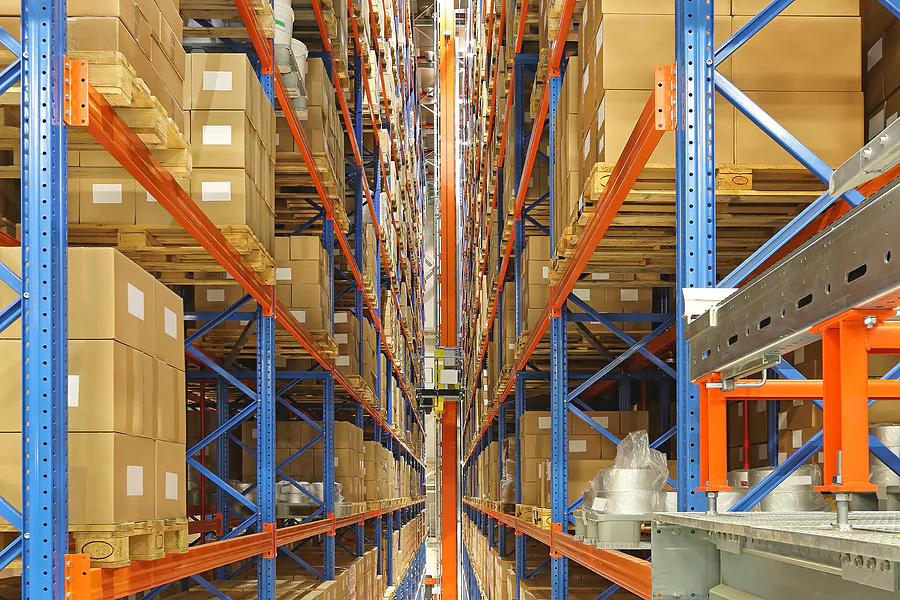
The most important part of the design when it comes to efficiency and ease of mapping is the shelving and racking, which creates the framework for any touring system.
Whilst improvements in automation and the development of digital twin technology have helped robots to more suitably integrate themselves into chaotic warehouse environments, what makes an automated system work at all is that there are enough standard elements that a machine can assume are there.
In the case of the world’s tallest robot, it can assume that it has enough space to travel through the narrow aisles, extend itself to the necessary height to scan the shelves and then return to its starting location, adapting to any unexpected changes along the way.
Why Is Warehouse Navigation Possible With Autonomous Robots?
There is a five-step process that most autonomous systems use to move and the best warehouses follow a similarly controlled principle in their design to ensure that they can move safely.
This process is as follows:
- Mapping, where various sensors, data points and systems help the robot know where it is relative to the shelves and other warehouse furniture.
- Localisation, where internal computer systems interpret the sensor information to calibrate the position and map it to a digital version of the warehouse.
- Path planning, where the robot determines the most efficient route to its desired location.
- Navigation, where the robot moves along the path whilst detecting and avoiding obstacles.
- Relocalisation, where the robot determines how far away it has moved off the set path and adjusts to ensure that it can return to efficiency as soon as possible.
Many warehouses are designed with efficiency in mind, meaning that despite the dynamic nature of the location there are enough similarities to ensure both human and automated operations can be as safe and effective as possible.
Visit the UK Shelving Ltd website for more information on How Does The World’s Tallest Robot Manage Industrial Shelves?
ENQUIRY FORM